
Written By Lane Balaban
Your middle schooler comes home upset because their friends didn't include them at lunch. Or maybe the friend they used to spend every weekend with suddenly seems more interested in someone else.
One day, everything is fine. The next, there's drama, hurt feelings, or an argument that seems to come out of nowhere.
You might find yourself wondering why friendships have suddenly become so complicated.
As a teen therapist and former middle school counselor, I've seen just how much friendships can affect a young person's confidence, mood, and sense of belonging.
Middle school friendship problems are incredibly common, but that doesn't make them any less painful for the kids experiencing them.
These years bring enormous social and emotional changes. Understanding what's happening beneath the surface can help you support your child without feeling responsible for fixing every friendship problem.
Why Are Middle School Friendships So Complicated?
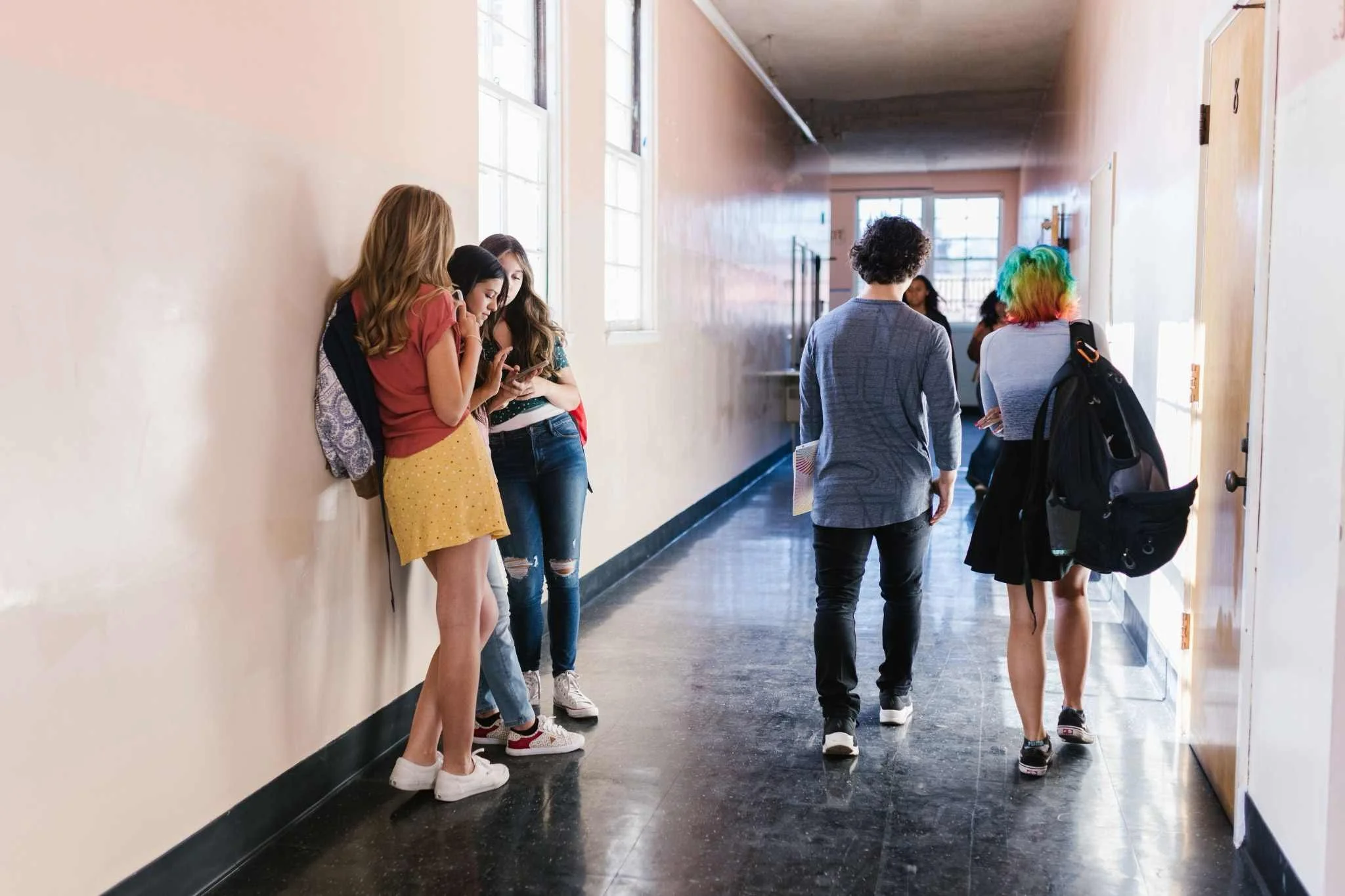
Middle school is a time of rapid development.
Kids are figuring out who they are, what matters to them, and where they fit socially. At the same time, they're becoming more aware of how others perceive them.
Friendships that once felt simple can become more emotionally complicated.
Your child might begin worrying about whether they're included, what others think of them, or whether they're being replaced by someone else.
Social groups also become more fluid. Kids develop new interests, join different activities, and form relationships outside their familiar elementary school circles.
A friendship changing doesn't necessarily mean someone did something wrong.
Sometimes, two kids are simply growing in different directions.
But when you're twelve years old, that distinction can be difficult to understand.
Why Does My Middle Schooler Take Friendship Problems So Personally?
For many middle schoolers, friendships are closely connected to their developing sense of identity.
Being included can feel like proof that they're liked and accepted.
Being excluded can feel like proof that something is wrong with them.
A child who isn't invited to a sleepover might think, "Nobody likes me." Someone whose best friend starts spending time with another group might wonder, "What did I do wrong?"
These reactions can feel disproportionate to adults, but they make sense developmentally.
Middle schoolers are still learning how to interpret social situations, tolerate uncertainty, and recognize that other people's behavior isn't always about them.
They may also struggle to consider multiple explanations for what happened. Instead of dismissing their feelings, help them separate the event from the meaning they're assigning to it.
You might ask:
"Is it possible there are other reasons they made those plans?"
Or:
"Does this mean nobody likes you, or does it mean you're having a difficult time with this particular friendship?"
The goal isn't to talk your child out of feeling hurt. It's to help them develop a more balanced perspective.
How Can Parents Help With Middle School Friendship Problems?
1. Listen Before Offering Solutions
When your child describes a friendship problem, your instinct may be to offer advice immediately.
But they may not be ready for solutions.
Start by acknowledging what they're experiencing: "That sounds really hurtful. I can understand why you're upset."
Then ask whether they want help figuring out what to do or simply need someone to listen. Giving your child that choice helps them feel respected and supported.
2. Avoid Getting Pulled Into the Drama
It's understandable to feel protective when another child hurts yours. You may want to contact the other parent or tell your child to stop being friends with someone.
But middle school relationships can change quickly. A friendship that's strained today may improve next week.
Unless bullying, harassment, or safety concerns are involved, try to avoid becoming directly involved in ordinary friendship disagreements. Instead, help your child consider their options.
3. Practice Difficult Conversations
Middle schoolers often know they're upset but don't know how to communicate their feelings.
You can help them practice statements such as:
"I felt left out when everyone made plans without me."
Or:
"I miss hanging out with you. Do you want to do something this weekend?"
Role-playing these conversations at home can make them feel less intimidating in real life.
What If My Middle Schooler Has Trouble Making Friends?
Not every child struggles because of friendship drama.
Some have difficulty initiating conversations, joining groups, or feeling comfortable around unfamiliar peers. Others may be shy, socially anxious, or unsure how to maintain friendships.
If your child wants more connection but doesn't know how to create it, focus on manageable opportunities for practice.
Encourage activities based on genuine interests rather than simply pushing them to be more social. A child who loves art may feel more comfortable connecting with peers in an art club than at a large party.
And remember, having one or two meaningful friendships is often more valuable than belonging to a large group.
How Group Therapy Can Help Middle Schoolers Build Friendships
Individual support can be valuable, but some social skills are best practiced with other kids.
In a middle school therapy group, participants have opportunities to interact with peers in a supportive, professionally facilitated environment.
They can practice starting conversations, expressing themselves, listening to others, navigating disagreements, and managing uncomfortable feelings.
Group therapy also helps normalize experiences that can feel isolating.
A middle schooler who believes they're the only person struggling with friendships may feel relieved to discover that other kids have similar worries.
That sense of connection can make it easier to participate and take social risks.
Importantly, group therapy isn't about forcing children to become outgoing or changing their personalities. It's about helping them develop confidence, flexibility, and more comfortable ways of connecting with others.
When Should Parents Be More Concerned?
Occasional friendship struggles are a normal part of adolescence.
However, additional support may be helpful when your child consistently avoids social situations, becomes increasingly isolated, or experiences significant distress about peer relationships.
Pay attention to changes in school attendance, mood, sleep, self-esteem, or participation in activities they previously enjoyed. Repeated bullying or targeted exclusion also deserves adult attention.
You don't need to wait until your child reaches a crisis point to explore support. Sometimes, learning social and emotional skills early can prevent patterns of avoidance and insecurity from becoming more established.
Helping Your Middle Schooler Find Their People
Middle school friendships can be unpredictable.
Your child may experience rejection, misunderstandings, changing social groups, and moments when they feel like everyone else has friendship figured out.
Your job isn't to guarantee that every friendship works out.
It's to help them recognize their worth, develop healthy relationship skills, and understand that belonging doesn't depend on being accepted by everyone.
With time, practice, and supportive relationships, middle schoolers can become more confident navigating the social world.
For children who would benefit from practicing friendship skills and connecting with peers in a supportive setting, reach out to learn more about group therapy
